
Why 10–20 mm Coreless Motors Are Used in Portable Medical Devices?
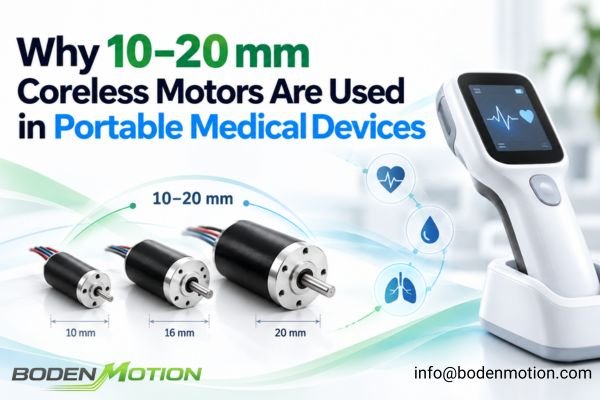
Designing motion systems for portable medical equipment requires engineers to balance limited installation space, low device weight, responsive motion, acoustic noise, vibration, thermal behavior, and battery constraints. This is why compact coreless motors, particularly those in the 10–20 mm diameter range, are frequently evaluated for handheld instruments, miniature pumps, diagnostic equipment, and other portable medical […]
Why Coreless Motors Are Popular in Precision Robotics?
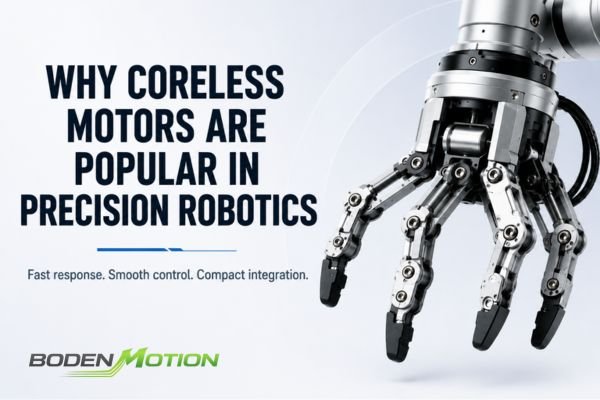
Selecting a motor based on torque alone often leads to disappointing performance in precision robotics. The actuator might be strong, but it feels slow, overshoots its target, or struggles with rapid, repetitive tasks. This happens because precision robotics depends more on dynamic response than on raw power. Coreless motors are popular in these applications because […]
Why Are Coreless Motors Popular in Medical Devices?
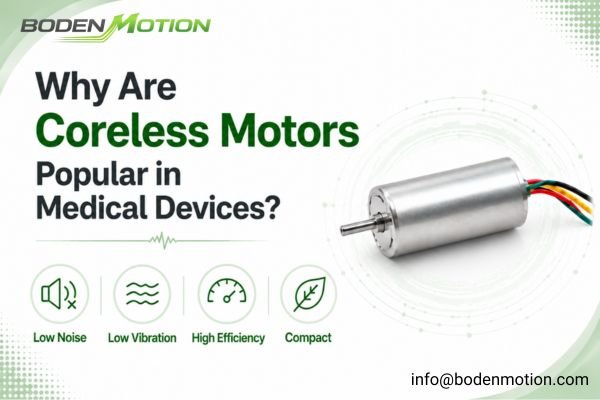
Coreless motors are popular in medical devices because their ironless or slotless design eliminates iron-core cogging torque, a primary source of low-speed torque ripple and vibration. This construction supports the smooth, quiet, and responsive motion required for precise, patient-friendly equipment such as handheld instruments, diagnostic systems, and drug delivery pumps. These advantages are especially valuable […]
How High-Speed Coreless Motors Improve Pick-and-Place Systems?
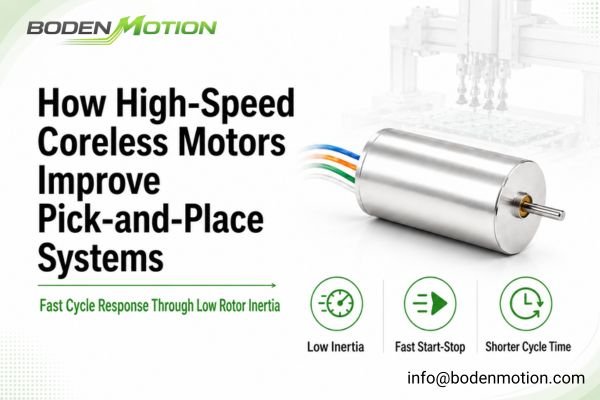
Your pick-and-place system may feel sluggish, even with a high-RPM motor. The issue is often not maximum speed, but the time lost during acceleration, deceleration, and settling under the application’s real-world load. High-speed coreless motors can improve pick-and-place systems by leveraging their low rotor inertia for faster acceleration and deceleration, which can lead to reduced […]
Why High Torque BLDC Motors Are Used in Automation Systems?
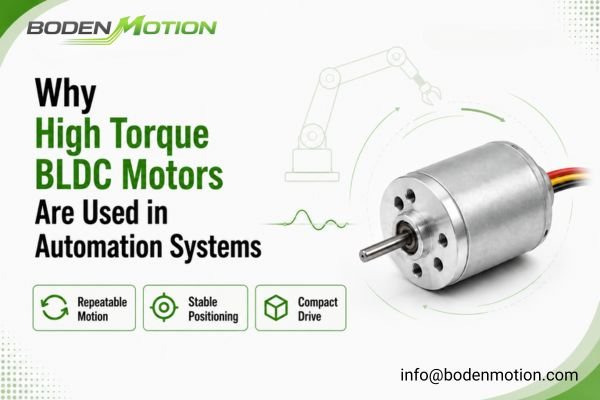
Many automation systems don’t fail because the motor can’t spin fast enough. They fail because the DC motor cannot repeat the same motion cycle reliably under changing load, friction, and inertia. High torque BLDC motors are used in automation systems because they provide the controllable rotational force needed for acceleration, positioning, load handling, and repeatable […]
Why Are Coreless Motors Used in Robotic Dexterous Hand Applications?
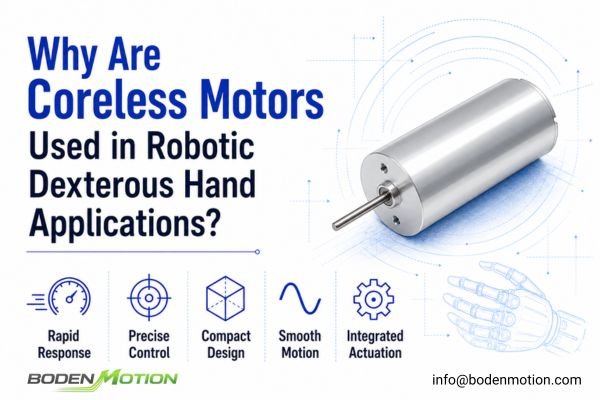
Designing a robotic hand that mimics human dexterity is a major engineering challenge. Actuators must be compact, responsive, and precise, but traditional motors often fall short in these tightly integrated systems. Coreless DC motors are used in robotic dexterous hands because their low rotor inertia enables rapid acceleration, while their lack of cogging torque provides […]
Why Are 48V BLDC Motors Becoming Popular in Industrial Systems?
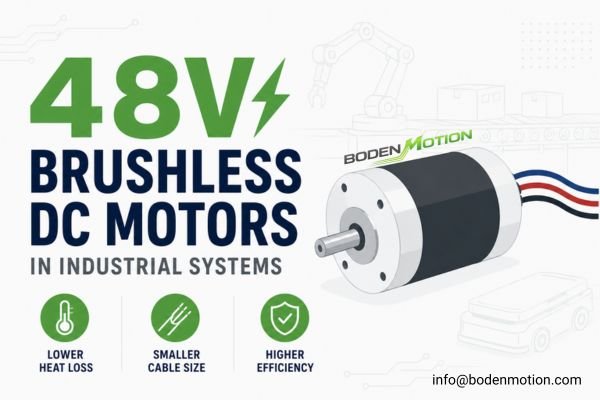
Design teams across the industrial automation landscape are migrating from 24V to 48V systems to achieve greater power density. However, this transition is not a simple upgrade; it forces a shift in design priorities, introducing a different class of engineering challenges that must be managed across modern industrial automation and DC motor systems. A 48V […]
What OEM Buyers Should Check Before Purchasing Small Motors
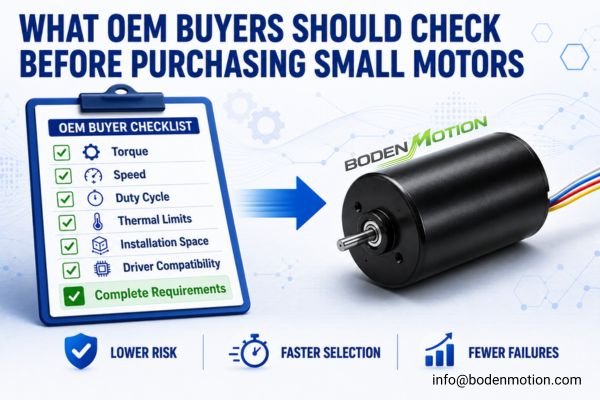
Many OEM motor projects fail even when the selected motor meets datasheet specifications. This happens because critical application information is missing during supplier evaluation, leading to integration failures. To avoid project delays, OEM buyers must provide suppliers with complete application requirements—including load, duty cycle, and thermal constraints—not just target specifications for the DC motor being […]
Why Are Coreless Motors Widely Used in Medical Devices?

Motion systems designed for medical applications have vastly different priorities than industrial equipment. In a handheld surgical tool or a portable analyzer, motion smoothness, low vibration, and thermal stability often matter far more than raw power. Coreless DC motors are frequently used in these applications because their ironless rotor design provides very low inertia and […]
Why Do Small Brushless DC Motors Overheat in Compact Devices?
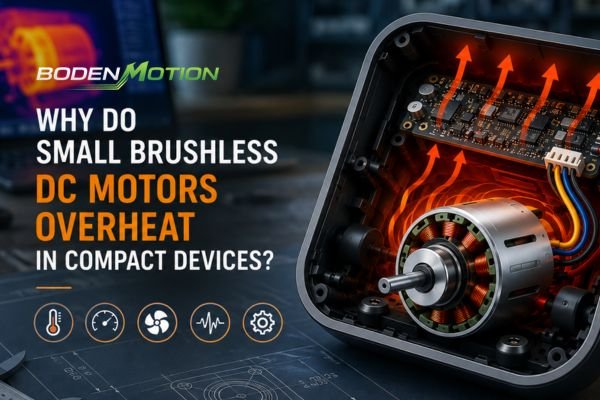
Your new handheld medical analyzer passes every test, but after an hour of use in the field, it’s hot to the touch and shutting down. The motor is the prime suspect. Small brushless DC motors overheat in compact devices because of a system-level failure where heat generated from the load, duty cycle, and driver cannot […]