
No-Load Current vs Rated Current vs Stall Current in Brushless Motors
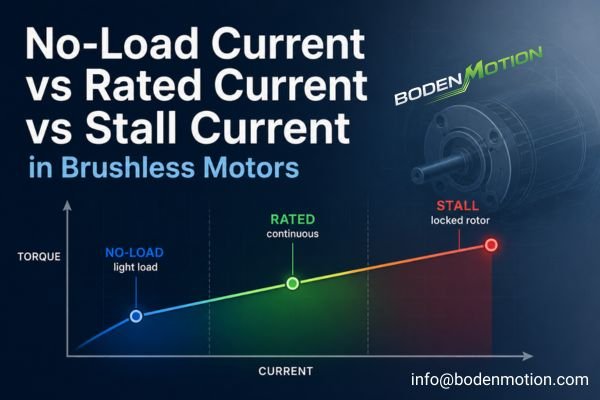
Misinterpreting a motor’s current ratings is a common engineering oversight that often leads to undersized drivers, unexpected thermal issues, or oversized, costly power systems. No-load, rated, and stall current are not just low, medium, and high values; they describe three different motor operating states—free-running, working under a specified continuous load, and being stopped under power—each […]
How to Define DC Motor Acceptance Criteria Before Sample Approval?
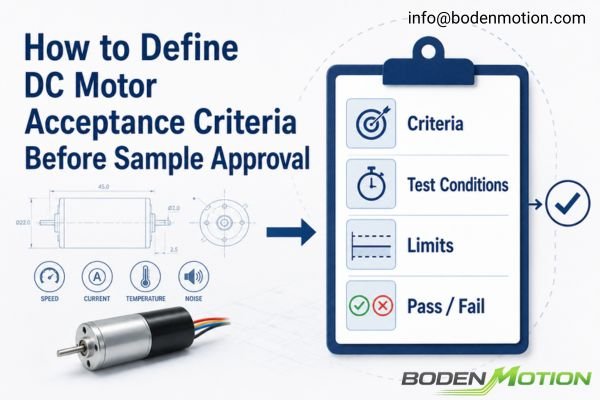
A motor sample that spins is not ready for approval. Functional operation confirms basic function, but it does not establish whether future production units can be consistently measured and judged against the same application requirements. Effective sample approval establishes a repeatable measurement and decision system. It creates a technical baseline that defines the parameters, test […]
Slotless BLDC Motors vs. Standard Slotted BLDC Motors
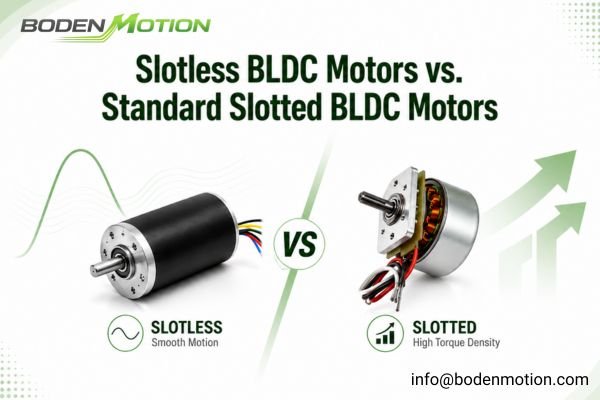
When selecting a BLDC motor, many OEM engineers compare basic specifications like voltage, speed, torque, and size. However, the internal motor structure—specifically whether it is slotless or slotted—can profoundly affect motion quality, thermal performance, control complexity, and overall system cost. In this article, “standard BLDC motor” refers to a conventional slotted BLDC motor. The choice […]
BLDC Motor for Sale: OEM vs Standard Products
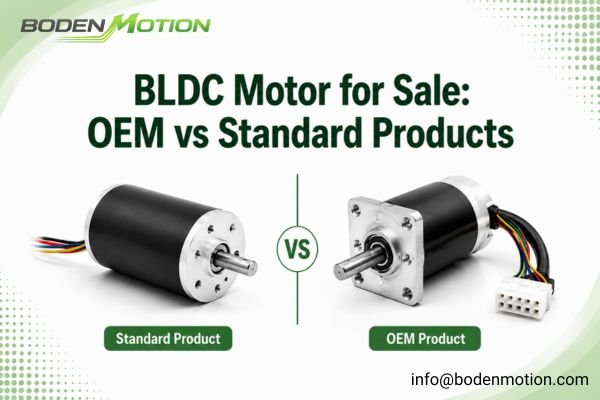
When searching for a BLDC motor for sale, many buyers focus on catalog specs and price. This approach often overlooks the most critical factor in OEM projects: system integration and long-term reliability. An OEM BLDC motor is optimized for a specific application, while a standard motor is a general-purpose product. The key difference is whether […]
High Torque BLDC Motor vs High Speed BLDC Motor
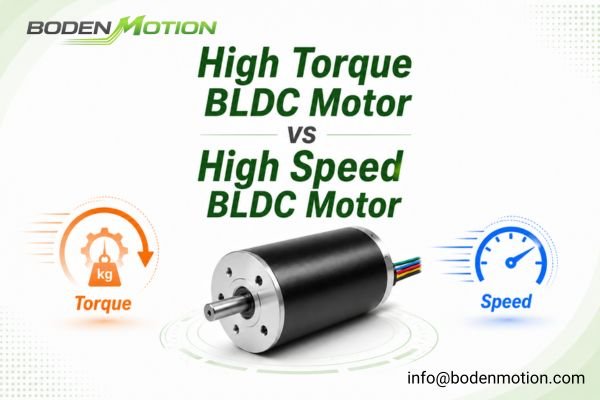
Choosing between a high torque or high speed motor can feel like a trade-off. Many OEM engineers struggle to find a compact BLDC motor that delivers both, leading to designs that are over-engineered or under-powered. The fundamental difference is design priority: a high torque BLDC motor is optimized for load handling and force, while a […]
Why Micro Brushless DC Motors Become Noisy Over Time?
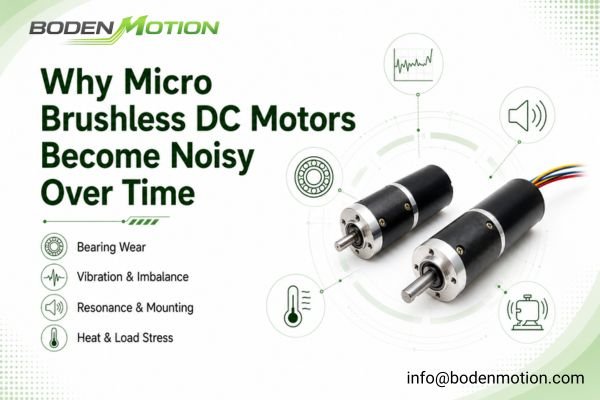
A micro brushless DC motor may run quietly during sample testing, but become noticeably louder after weeks or months in the field. For OEM engineers, this noise growth is more than an acoustic issue. It often points to changes in bearings, load, mounting structure, heat, or housing resonance under real operating conditions. From an engineering […]
Precious Metal Brush vs Graphite Brush Coreless Motor: How OEM Engineers Should Choose?
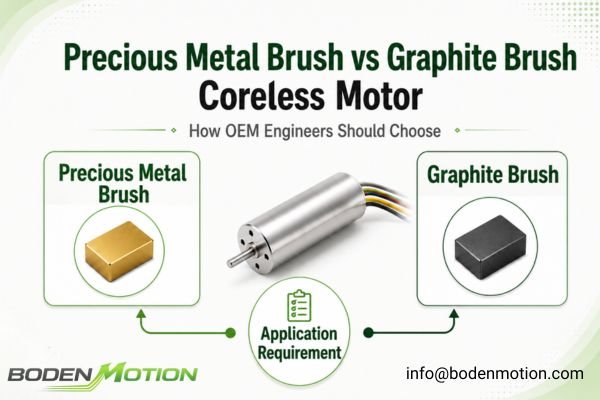
Choosing the right coreless motor involves more than just matching torque and speed. The brush and commutation system—specifically whether it uses precious metal or graphite brushes—is a critical design decision that affects startup behavior, acoustic performance, power supply design, and long-term reliability. In this article, the comparison refers to brushed coreless DC motors. “Coreless” describes […]
Why Winding Precision Matters in Tiny Motors?
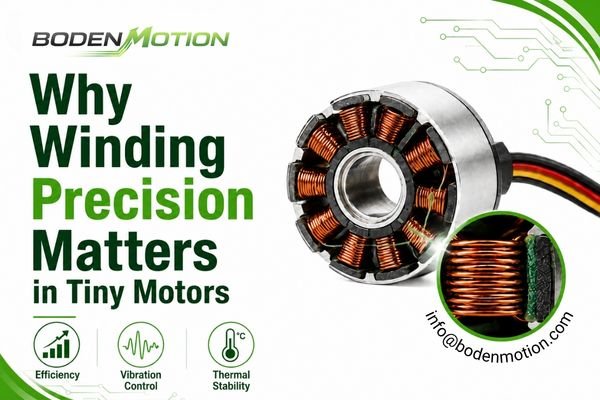
In miniature brushless DC motors, manufacturing tolerance is much narrower than in larger motors. Small winding deviations can become measurable factors affecting efficiency, stability, vibration, and long-term reliability. Tiny BLDC motors operate with limited stator space, fine copper wires, and often high rotational speeds. From my perspective as an integration engineer, winding precision is not […]
What Makes Coreless Motors Different From Standard DC Motors?
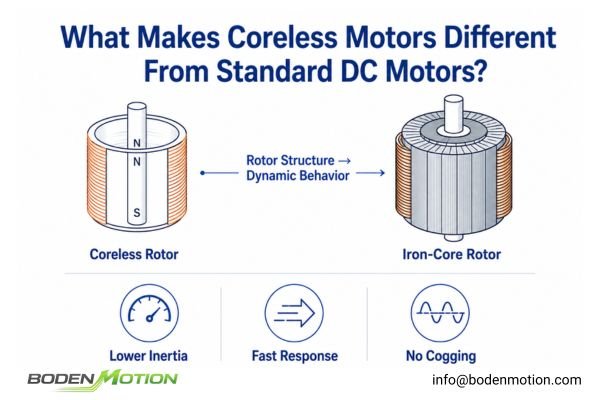
The key difference between a coreless motor and a standard DC motor is the rotor structure. Coreless motors use an ironless rotor, which greatly reduces rotating mass and inertia compared to an iron-core design. This structural change directly impacts a motor’s acceleration, response time, and cogging torque. These differences are critical for engineers to understand […]
Custom DC Motor vs Standard Motor: What Is the Difference?
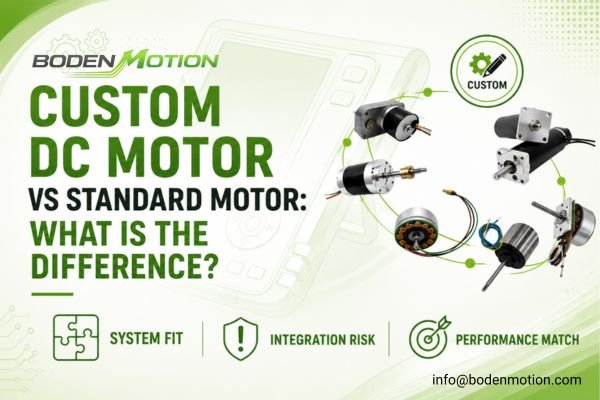
Most OEM projects start with standard catalog motors, but system requirements can quickly reveal their limits. This often leaves engineers deciding whether to adapt their system or specify a custom motor solution. The choice between a standard and custom DC motor depends on your application’s specific performance, integration, and lifecycle requirements—not just the motor’s datasheet […]
Why Burn-In Testing Matters for Mini Motors?
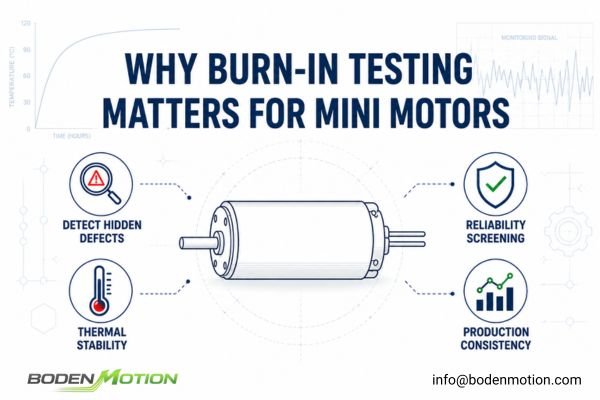
Many miniature motor failures happen during the first few hours of use, not after years of wear. These early-life failures, often caused by subtle manufacturing variations, can halt an OEM’s production line and lead to costly field returns. Burn-in testing for mini motors is a critical reliability screening process that operates them under controlled stress […]