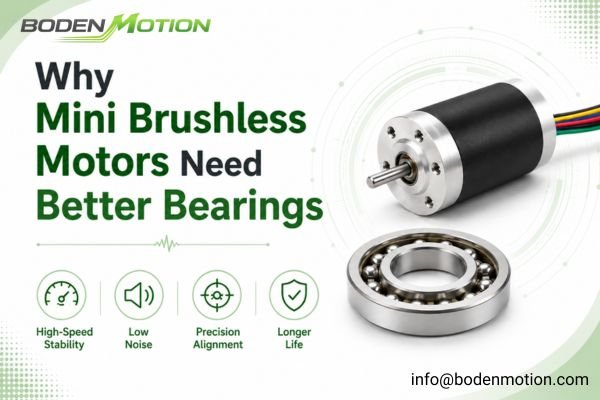
Why Mini Brushless Motors Need Better Bearings?
Your new device has a performance issue, but the mini brushless motor’s electrical specifications seem correct. The problem may lie in a component often treated

Your new device has a performance issue, but the mini brushless motor’s electrical specifications seem correct. The problem may lie in a component often treated
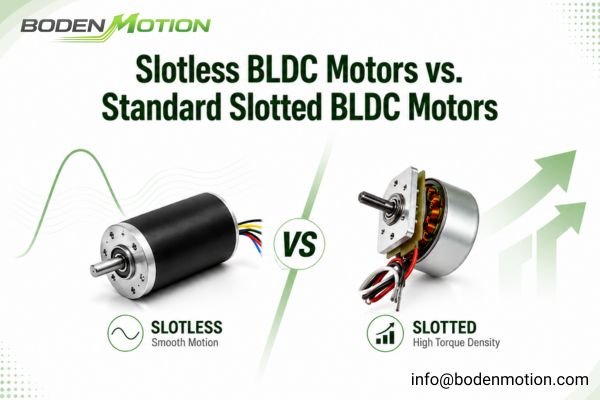
When selecting a BLDC motor, many OEM engineers compare basic specifications like voltage, speed, torque, and size. However, the internal motor structure—specifically whether it is
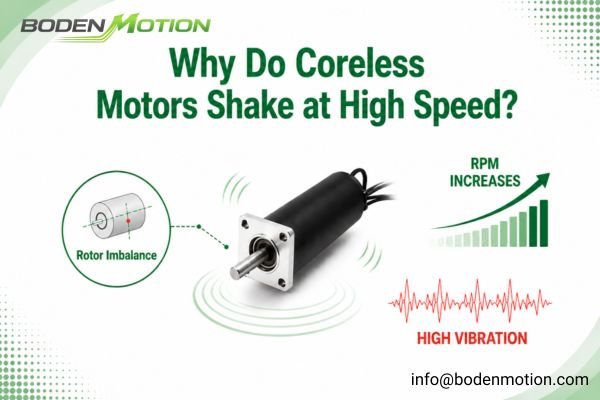
High-speed vibration is a frustrating problem. Your coreless motor system works perfectly at low RPM, but as you increase the speed, it starts to shake,
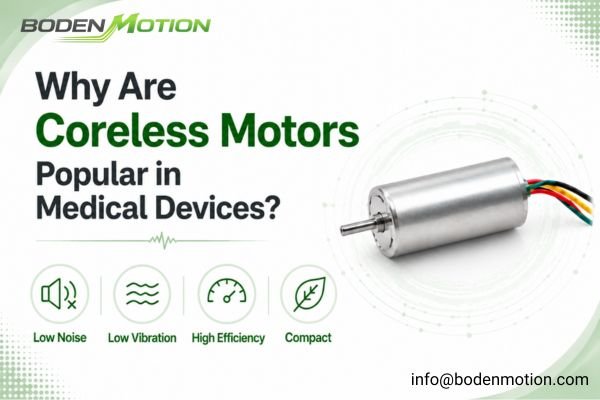
Coreless motors are popular in medical devices because their ironless or slotless design eliminates iron-core cogging torque, a primary source of low-speed torque ripple and
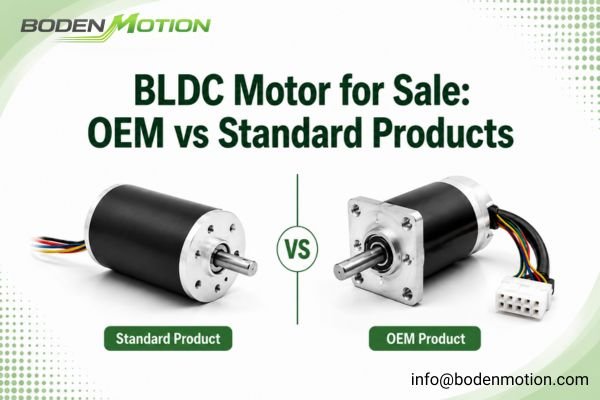
When searching for a BLDC motor for sale, many buyers focus on catalog specs and price. This approach often overlooks the most critical factor in
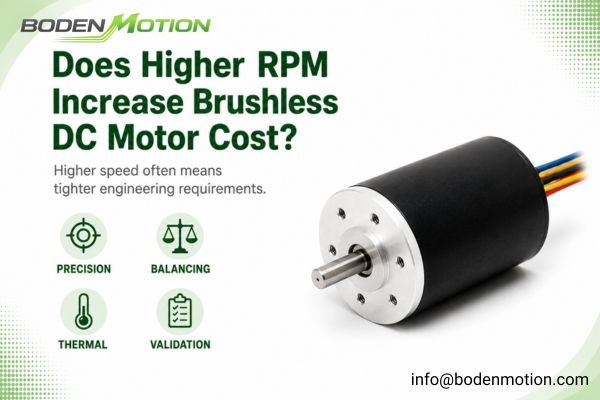
Many OEM teams assume that increasing a brushless DC motor ‘s speed is a simple change, often leading to unexpected costs and integration problems. The
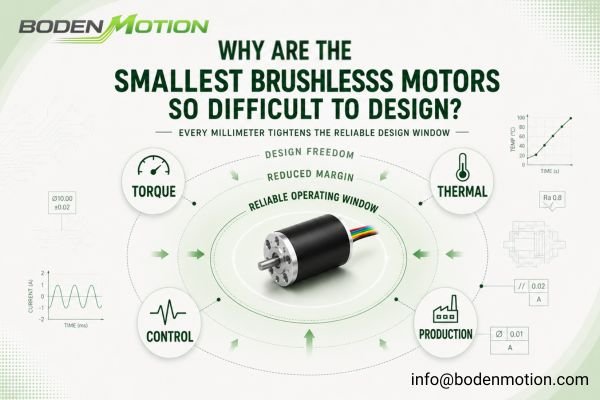
As OEM devices shrink, the challenge is not simply finding a smaller motor—it is maintaining reliable performance as the available engineering margin disappears. The smallest
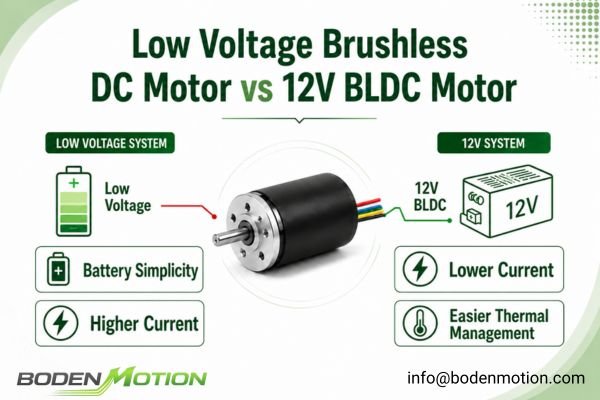
Choosing a motor’s operating voltage defines the electrical and thermal trade-offs for the entire motion system. This decision is especially important in compact OEM devices
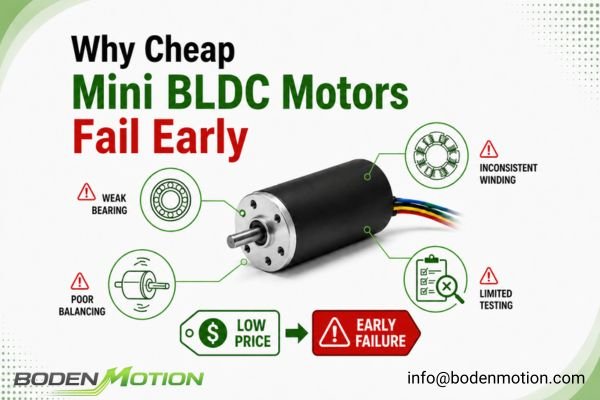
A low-priced motor may look acceptable on a datasheet and in initial samples. However, the real test comes during mass production and long-term field operation,
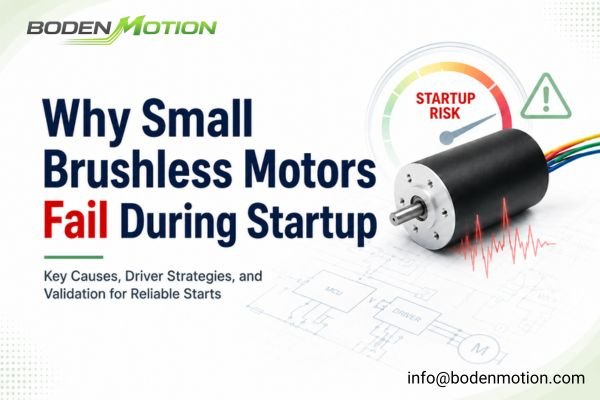
A small brushless motor may run normally after reaching speed but still fail during startup, when high current demand, static friction, load inertia, and driver
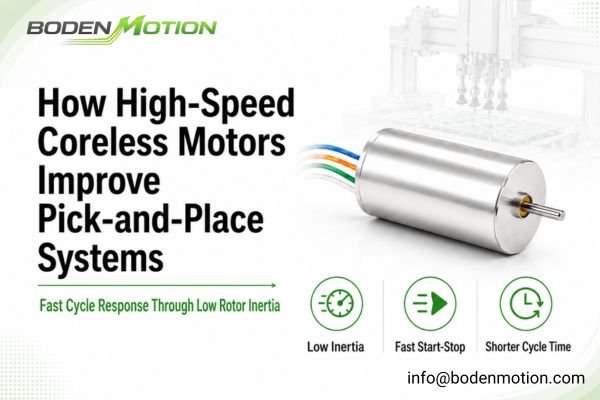
Your pick-and-place system may feel sluggish, even with a high-RPM motor. The issue is often not maximum speed, but the time lost during acceleration, deceleration,
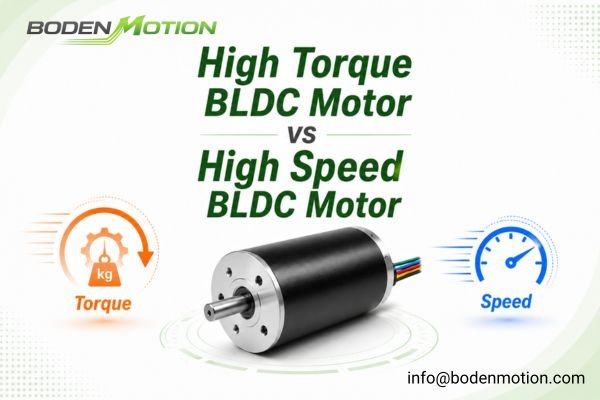
Choosing between a high torque or high speed motor can feel like a trade-off. Many OEM engineers struggle to find a compact BLDC motor that